
Why the Next Two Weeks Matter
If you have boxwood shrubs on your property, the next two weeks are one of the most important times of the year.
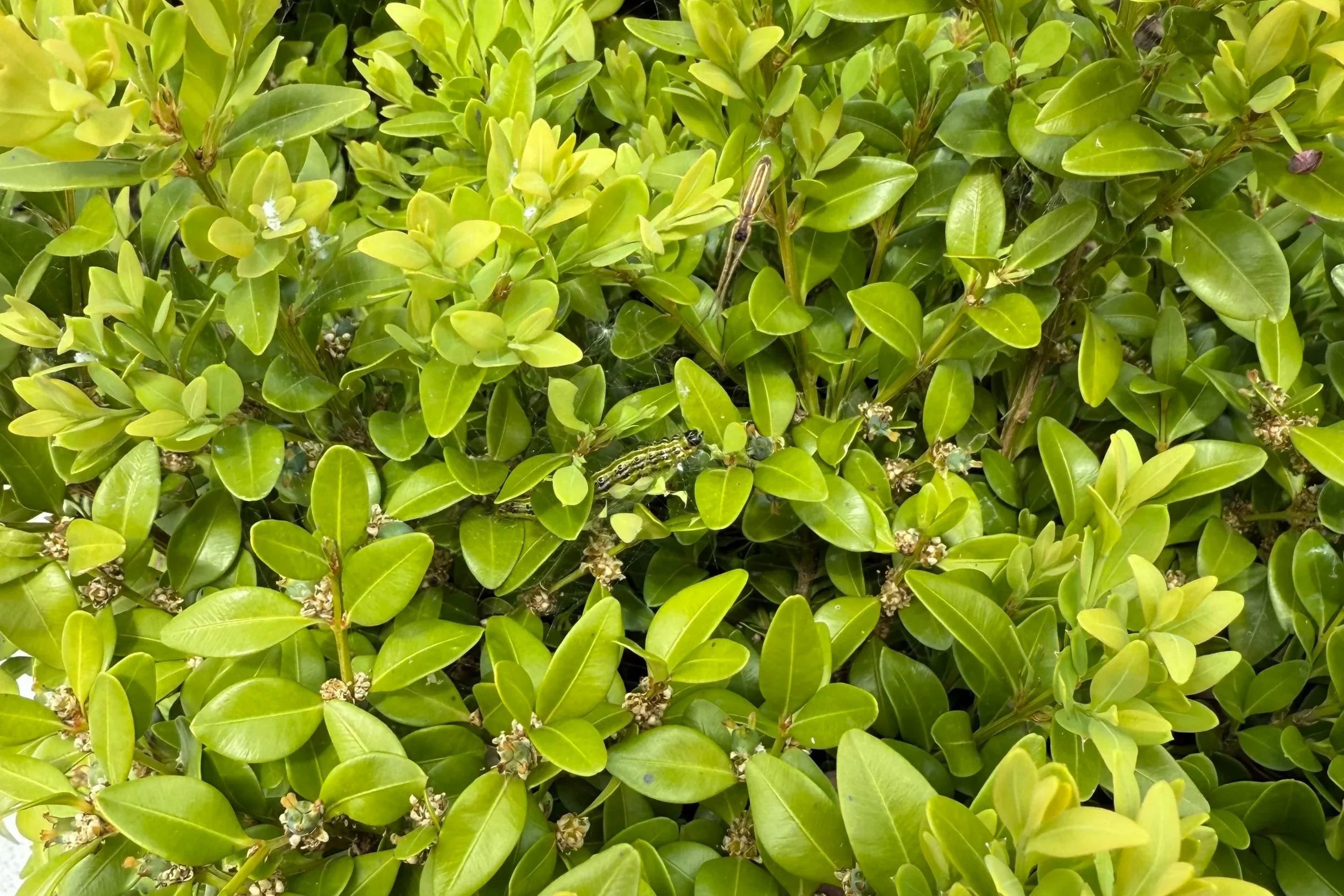
Adult Boxwood Moths are preparing to lay their eggs across the GTA. Once those eggs hatch, the tiny caterpillars begin feeding almost immediately, and the damage can escalate surprisingly quickly. The good news is that this is also the best opportunity to get ahead of the problem.
What You Should Do This Week
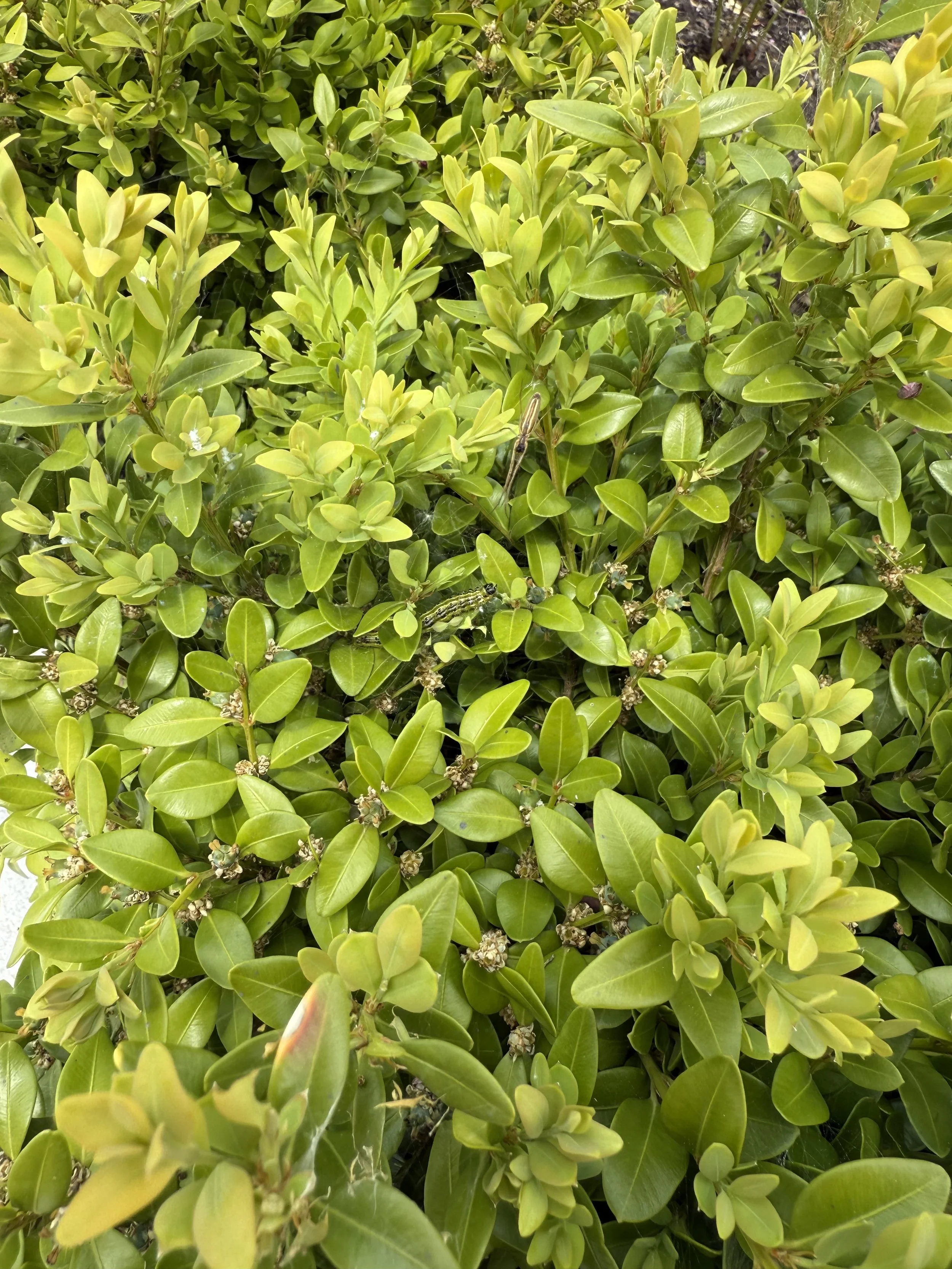
If you have boxwood shrubs on your property, now is the time to inspect them. Adult Boxwood Moths are beginning to lay their eggs on the undersides of boxwood leaves, where they're often hidden from view. The eggs appear in small clusters and are pale yellow to translucent when first laid, gradually darkening as they mature. Depending on weather conditions, they typically hatch within one to two weeks, releasing young caterpillars that begin feeding almost immediately.
Taking a few minutes to inspect your shrubs now can make a significant difference. Catching an infestation during the egg stage or shortly after hatching gives you the best opportunity for effective treatment, as young caterpillars are much easier to control than mature ones. If you wait until your boxwoods begin turning brown, thinning, or showing visible webbing, extensive feeding has often already occurred.
If You Find Eggs
Finding Boxwood Moth eggs doesn't necessarily mean your shrubs are beyond saving. If the infestation is limited to a few leaves or branches, carefully prune and dispose of the affected foliage in a sealed bag to help reduce the number of caterpillars before they hatch. Avoid composting the clippings, as viable eggs may still survive.
If egg clusters are present throughout the shrub or across multiple boxwoods, it's best to arrange treatment before the larvae have a chance to mature. Acting during this early stage is far more effective than waiting until feeding damage becomes visible. After your initial inspection, continue checking your shrubs every few days throughout the egg-laying period, as new egg clusters can appear over the course of several weeks.
Choosing the Right Treatment
If treatment is needed, timing is just as important as the product being used. In our previous guide, we covered the most effective treatment options, what questions to ask before hiring a contractor, and why proper application timing can make all the difference in protecting your boxwoods.
Whether you're planning to treat your shrubs yourself or work with a landscape professional, we recommend reviewing our complete guide before making a decision.
Read our complete Box Tree Moth guide →
If you'd prefer professional assistance, the Parkscape team can help assess your boxwoods, recommend the appropriate treatment plan, and ensure applications are timed for maximum effectiveness. If you're unsure whether you're looking at egg clusters, caterpillars, or early signs of damage, don't hesitate to reach out. We're always happy to help identify the issue and point you in the right direction.